
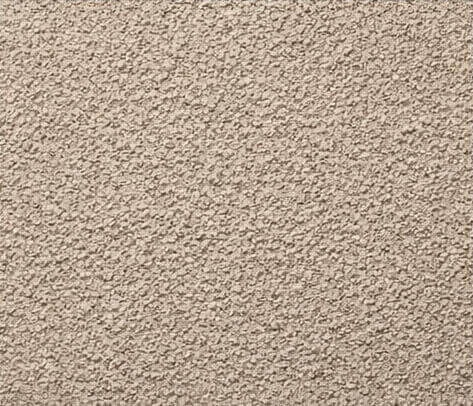







When people talk about stucco, they often use the terms “finish” and “texture” interchangeably, but they are not the same.
A stucco finish refers to the final stucco finish coat applied over the brown coat or base coat. The finish determines durability, flexibility, and performance.
Stucco texture, on the other hand, describes the pattern or visual effect created as that material is applied by hand or sprayed on.
To put it simply, the finish defines composition; the texture defines appearance.
If you’re unsure what type of stucco is best for you, call (520) 909-1714 to speak with the pros at Sunset Coatings Stucco & Paint. We’ll schedule a free consultation and estimate and provide expert guidance on which stucco type and finish would best suit your building.
Most Popular Types of Stucco Finishes
A stucco finish is the final protective layer applied over the prepared base layers of a wall system. Beyond appearance, exterior stucco finishes play a critical role in weather resistance, flexibility, and long-term durability.
The type of finish selected affects how the surface responds to Arizona’s intense sun, temperature swings, and monsoon moisture, making proper selection essential for both performance and design.
Traditional Cement Stucco Finish
Traditional stucco is a cement-based finish made from sand, Portland cement, lime, and water. Applied over a reinforced base, it cures into a dense, breathable surface that performs well in hot, dry climates.
Its rigidity provides strength and impact resistance, making it a reliable choice for long-lasting exterior stucco applications.
Acrylic Stucco Finish
An acrylic finish incorporates resins into the mix, increasing flexibility and adhesion. This added elasticity helps minimize the occurrence of hairline cracking caused by temperature fluctuations.
Acrylic systems also hold color exceptionally well and resist moisture intrusion, making them a popular finish for homeowners seeking enhanced durability with vibrant, long-term color stability.
Synthetic (EIFS) Stucco Finish
Synthetic stucco, often installed as part of an Exterior Insulation and Finish System (EIFS), combines foam insulation with a reinforced base coat and acrylic top layer.
Unlike traditional stucco, it provides continuous insulation and improved energy efficiency. Its flexibility reduces cracking, and its lighter weight makes it suitable for a wide range of structures.
Smooth Stucco Finish
A stucco smooth finish creates a sleek, contemporary surface with minimal variation. Achieving this refined appearance requires careful application and skilled troweling to avoid visible imperfections.
Because it lacks heavy texture, any substrate inconsistencies must be properly addressed beforehand, making craftsmanship especially important for a clean, uniform result.
Sand Finish Stucco (Float Finish)
A stucco sand finish, sometimes called a float stucco finish, incorporates graded sand particles to create a subtle, lightly textured surface. It offers more dimension than a smooth finish while remaining versatile enough for many architectural styles.
The result is a balanced look that softens minor surface variations without appearing overly coarse.
Different Stucco Textures
While the finish determines performance, texture defines the character of the surface. Stucco texture refers to the pattern formed as the final coat is manipulated during application.
Stucco finish textures can range from fine and subtle to medium or heavy in volume, depending on aggregate size and technique. The degree of coarseness affects shadowing, maintenance, and how well the surface conceals minor irregularities.
Smooth Stucco Texture
A smooth finish stucco texture creates large smooth areas with minimal variation, producing a clean, modern appearance. This unique texture is easy to clean and blends well with any architectural element.
Because there is little to disguise flaws, the surface preparation for smooth stucco finishes must be meticulous. The finish is typically troweled down and finished using careful, consistent strokes to achieve a uniform plane without visible lap lines or ridges.
Dash Finish Stucco
A dash stucco finish is applied by projecting finish material onto the surface using a pressure gun or hopper gun. The finish is sprayed in light, medium, or heavy passes to achieve the desired depth.
The result is a rough, highly textured surface that effectively hides imperfections and adds a strong visual dimension.
Lace Stucco Finish
Lace finish stucco features layered brush strokes with upward curls that create an irregular and semi-smooth finish. It delivers subtle movement without being overly coarse.
Skilled application is essential to maintain consistency across the wall, especially on larger elevations where pattern repetition can become noticeable.
Santa Barbara Stucco Finish
The Santa Barbara finish offers a soft, hand-crafted appearance with a gentle, natural flow and slightly mottled look. It is typically applied by hand and lightly floated to create a refined, understated surface.
This texture pairs beautifully with Spanish and Mediterranean architecture, delivering a timeless, classic look to homes and businesses in the Southwest.
Cat Face Stucco Finish
The cat stucco finish features a smooth background interrupted by scattered patches of exposed aggregate. These small accents create contrast and a slightly rustic character.
Achieving the right balance requires precision, as too many exposed areas can overwhelm the surface and disrupt the intended visual harmony. This finish is also known as California stucco finish or Montalvo finish.
Skip Trowel Stucco Finish
A skip trowel texture is created by lightly dragging a curved trowel across the surface, allowing portions of the finish to “skip” and leave raised patterns.
The technique produces a dynamic, hand-applied appearance. Consistency depends on maintaining even pressure and a steady stroke throughout the wall.
Worm Stucco Finish
The worm finish is formed by dragging a trowel through wet material containing larger sand particles or aggregate, creating tiny grooves in the texture.
Applying this labor-intensive worm finish requires careful control to keep the lines evenly distributed without clustering or uneven depth, but it is a great way to create a unique texture finish that adds visual interest.
English Stucco Finish
English stucco features a heavier texture with rounded peaks and valleys, often incorporating large pieces of aggregate. It creates a bold, traditional appearance with noticeable depth.
Because of its thickness, proper curing and even distribution are critical to prevent weak spots or an overly rough and uneven finish.
Trowel Sweep Stucco Finish
A trowel sweep finish is defined by deliberate, overlapping arcs created with controlled hand movements. The sweeping pattern introduces movement while remaining more refined than heavier textures.
Achieving clean transitions between strokes requires skill, particularly when blending sections to maintain visual continuity across expansive surfaces.
Deciding Between Stucco Finish Types
Choosing between different stucco finishes requires balancing performance, aesthetics, and the specific demands of your property. Climate exposure, architectural style, and whether the project is residential or commercial all influence which finish will perform best over time.
Some finishes are easier to maintain, while others create a more distinctive look to homes and buildings. An experienced stucco contractor can evaluate the substrate, discuss textures and colors, and recommend custom finishes that align with your goals.
During your initial visit, Sunset Coatings provides clear, expert guidance tailored to your stucco project.
Choosing Stucco Colors Wisely
Selecting the right stucco color goes beyond personal preference. Lighter tones reflect heat and help exterior stucco surfaces perform better in Southern Arizona’s intense sun, while deeper shades create bold contrast but may show fading over time.
The surrounding landscape, roof color, and architectural style should all influence your choice. It’s also important to consider how textures and colors interact, as shadows can subtly alter the final appearance. A thoughtful selection ensures long-term curb appeal and cohesion.
Our stucco painting services ensure that color is carefully chosen to complement the building and meticulously applied to ensure even coverage and lasting vibrancy.
The Importance of Proper Stucco Finish Application
Even the highest-quality materials can fail if the application is rushed or improperly sequenced.
A durable wall finish depends on correct layering, which typically consists of a base coat followed by a carefully applied top layer, along with proper curing time between stages. The texture of the stucco spread must remain consistent to prevent weak points and uneven drying.
When stucco finishing is applied correctly, it offers long-term protection, allowing the surface to breathe after the paint dries while resisting cracking and moisture intrusion.
Work With Southern Arizona’s Stucco Finish Experts
Choosing the right stucco finish is only part of the equation; expert stucco installation makes all the difference.
At Sunset Coatings Stucco & Paint, we combine decades of experience with unmatched local knowledge to deliver stucco finishes that stand up to Southern Arizona’s heat, sun, and monsoon conditions.
We take pride in precise surface preparation, expert application, and attention to detail, ensuring every wall finish is both beautiful and durable. Whether it’s for a residential or commercial project, we offer custom finishes, color guidance, and professional advice at every step.
What Sets Us Apart
- A+ BBB rating
- 4.7-star Google rating
- Dual-licensed residential & commercial stucco contractors
- Fully licensed, bonded, and insured
- More than 15 years of local experience
- Free inspection and estimates
- Two-year warranty on services
- Materials carefully selected to withstand Arizona’s climate
Ready to begin your stucco project? Call us today at (520) 909-1714 to schedule your free inspection and estimate.