
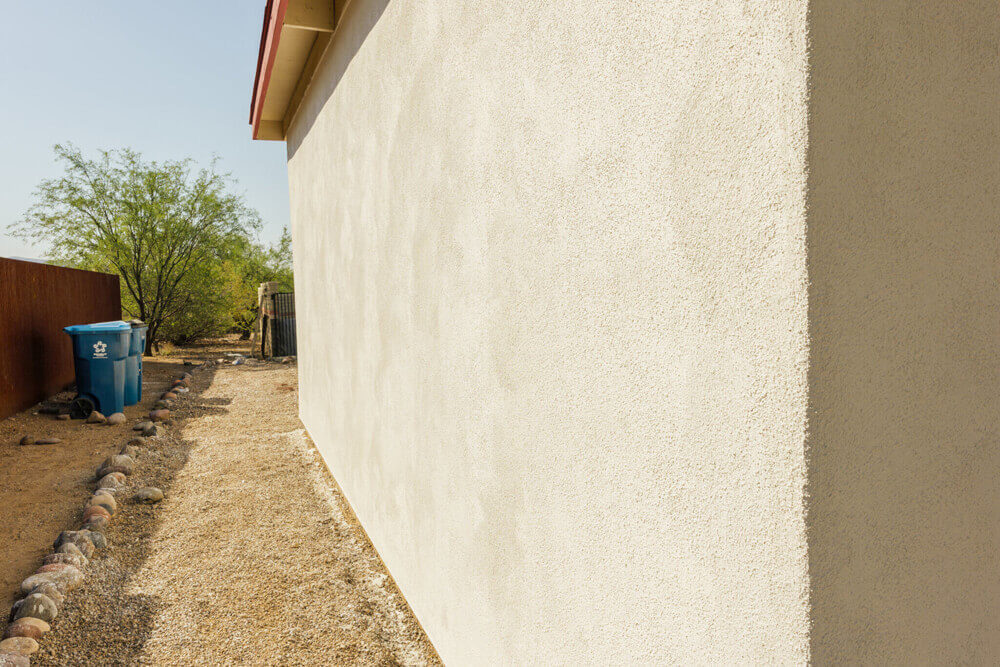







As a professional commercial and residential stucco contractor in Tucson, we often get asked about how synthetic stucco vs. traditional stucco differ.
Synthetic stucco is made with acrylic or polymer cement based material, while traditional stucco is a mixture of Portland cement, lime, and sand.
Traditional stucco does not bond well to other synthetic surfaces such as paint, while synthetic stucco’s acrylic components improve the bonding and longevity of repairs.
In this article, we’ll break down the key differences between each type of stucco, including the pros and cons of going with synthetic stucco compared to traditional stucco.
As experts in synthetic stucco installation, restoration, and repair, we firmly believe that synthetic stucco is superior to traditional stucco as a building material for your home’s exterior.
We particularly like the STO Synthetic stucco products, as they carry a stucco-restoration specific line.
However, there are some considerations when it comes to choosing traditional stucco versus synthetic stucco that you should be aware of.
Regardless of whether you go with synthetic or traditional stucco, always be sure to hire a licensed stucco contractor to do the work.
Traditional Stucco: A Time-Tested Classic
Traditional stucco, often referred to as cement stucco or hard coat stucco, stands as one of the most ancient and revered building materials in construction history.
Used as far back as Ancient Rome and Greek cultures, stucco has protected structures from the elements for thousands of years.
It gained widespread popularity in the United States during the 19th century, particularly across the Southwest, where it became synonymous with the region’s architectural identity.
A concoction of sand, cement, lime, and water, this blend creates a durable and dense finish when applied to the exterior of structures. This application process is meticulous, often involving several layers spread over a wire or mesh lath.
This layering technique, combined with the inherent qualities of the stucco mixture, endows the material with its notable strength and structural integrity.
Advantages of Traditional Stucco
- Durability: One of the standout features of traditional stucco is its resilience. This isn’t a material that wears out quickly. When applied correctly, traditional stucco can endure for decades, if not centuries, withstanding the relentless onslaught of sun, rain, wind, and even snow. This longevity makes it a favorite for buildings in a variety of climates. In terms of hard coat stucco vs. EIFS, both materials are fairly durable.
- Natural Look: There’s an organic, earthy quality to traditional stucco that has endeared it to builders and homeowners for generations. Its textured surface exudes a rustic charm, offering a warmth and character that’s often hard to replicate with other materials. Whether you’re aiming for a Mediterranean flair or a Southwestern vibe, traditional stucco seamlessly fits the bill.
- Fire Resistant: Safety is paramount in home construction, and stucco brings an added layer of protection. Being non-combustible, traditional stucco acts as a fire barrier, potentially slowing the spread of flames. This property can be a significant advantage, especially in areas prone to wildfires or where homes are closely spaced.
- Customizable: While stucco’s natural hue is undeniably attractive, it’s not a one-size-fits-all material. Traditional stucco can be mixed with pigments, allowing homeowners to choose from a broad palette of colors. Whether you’re looking for a muted beige, a vibrant terra cotta, or any shade in between, stucco can be tailored to mirror your aesthetic vision.
- Impact Resistance: Cement stucco offers strong impact resistance due to its rigid, dense composition, making it well-suited for high-traffic areas or properties where physical durability is a concern.
Disadvantages of Traditional Stucco
- Time-Consuming Installation: Patience is crucial when it comes to traditional stucco installation. The layer-by-layer approach ensures the material’s strength, but it also means waiting for each layer to dry before the next can be applied. This drying process can be lengthy compared to other siding options. Stucco also requires control joints approximately every 144 square feet to help limit cracking at structural stress points, which adds to the install time.
- Potential for Cracking: Over the years, especially if exposed to significant temperature fluctuations or physical impacts, traditional stucco can develop cracks. In Tucson in particular, thermal cycling puts constant stress on rigid cement stucco. These cracks can be gateways for moisture, potentially leading to more significant structural issues if not addressed promptly. Regular maintenance and periodic inspections can help in early detection and mitigation of such issues.
- Efflorescence: A common cosmetic issue with traditional stucco is efflorescence, a white, powdery deposit that forms on the surface when water dissolves salts within the cement and carries them to the exterior as it evaporates. In Arizona’s dry climate, efflorescence can be a persistent concern that affects curb appeal.
- Weight: Traditional stucco is a heavy material, weighing approximately 10 pounds per square foot. This added weight can make installation more labor-intensive and may require additional structural considerations.
Synthetic Stucco: A Modern Alternative
Also known as EIFS or Exterior Insulation and Finish Systems (EIFS), synthetic stucco is a much newer product and has different properties than traditional stucco.
Unlike its traditional counterpart which has been in use for centuries, EIFS has only gained popularity over the past few decades.
Developed in Germany shortly after World War II to retrofit masonry walls, EIFS was introduced to the United States in the late 1960s and gained commercial popularity through the 1970s and 1980s. Stucco and EIFS are both popular exterior coatings in the U.S. Southwest.
Synthetic stucco represents a significant leap in building material technology. EIFS stucco made the old fashioned way offers various advantages that make it superior to traditional stucco.
Synthetic stucco includes an acrylic component that makes it resistant to fluctuations in temperature and moisture levels.
As a multi-layered exterior finish, it integrates several components: an insulation board firmly affixed to the building’s exterior, a reinforcing mesh layer to provide added strength, and a final textured finish coat crafted from acrylic polymers to give the desired appearance.
Advantages of Synthetic Stucco
- Insulation: EIFS stucco’s insulation board offers a dual benefit. It provides structural support, and its insulating properties are remarkable. EIFS can reduce air infiltration by as much as 55% compared to standard construction methods. It delivers an R-value of approximately 3 to 5 per inch of insulation, compared to traditional stucco’s R-value of just 0.20. For Tucson homeowners, this translates into a more energy-efficient home, potentially leading to significant savings on heating and cooling bills.
- Flexibility: One of the intrinsic properties of EIFS is its flexibility. Unlike traditional stucco, which can be rigid and prone to cracking, the pliable nature of EIFS allows it to adapt to minor structural shifts. This adaptability can reduce the chances of surface cracks, ensuring the finish remains intact for longer, a critical advantage in Tucson’s climate where extreme temperature swings between day and night are the norm.
- Versatility: EIFS is a chameleon in the world of exterior finishes. With the right techniques, it can be made to resemble a plethora of finishes, be it the rustic charm of traditional stucco, the elegance of stone, or the solidity of brick. This versatility grants architects and homeowners a wide canvas to paint their aesthetic visions.
- Water Resistance: Properly installed exterior insulation and finish acts as a formidable barrier against moisture. Its design ensures a watertight seal, effectively preventing moisture from infiltrating the underlying structure. This can be especially beneficial during Tucson’s monsoon season, when sudden heavy rainfalls can test any exterior finish.
- Lightweight: EIFS weighs approximately 2 pounds per square foot, which is about 80% lighter than traditional stucco. This reduced weight simplifies installation, puts less stress on the building’s structure, and can lower labor costs.
- Color Stability: Synthetic stucco uses UV-stable integrated pigments that resist fading from prolonged sun exposure. In the Tucson area, where the sun is intense year-round, this means the finish maintains a more consistent, vibrant color over time compared to traditional stucco, which may fade or require repainting.
Disadvantages of Synthetic Stucco
- Moisture Concerns: While EIFS is designed to repel water, improper installation can lead to water damage. If not correctly sealed or if it sustains damage, water can find its way behind the system. This can lead to mold growth, which poses health risks, and structural damages that can compromise the building’s integrity. Insulation and finish system EIFS stucco needs to be installed by an experienced, licensed contractor to get the maximum benefit.
- Durability Concerns: While EIFS is durable, it isn’t invincible. It can be more prone to dents, punctures, or surface damage, especially when compared to the ruggedness of traditional stucco. This necessitates periodic stucco inspections to ensure the system remains uncompromised.
- Perception: Aesthetics are subjective, and while many appreciate the sleek finish of EIFS, purists might feel it lacks the authenticity and character of traditional stucco. However, modern acrylic finishes can replicate virtually any texture and finish associated with traditional cement stucco, from fine sand finishes to heavier Southwestern-style textures, and the visual difference is often imperceptible to the untrained eye.
Note: It’s worth noting that modern EIFS products have improved significantly from earlier versions. Manufacturers have introduced better drainage systems, higher-quality adhesives, and stricter installation guidelines that have largely addressed the moisture problems that plagued earlier installations.
How Traditional Stucco and Synthetic Stucco Are Applied
Understanding the application process during stucco installation helps explain why these two systems perform so differently.
Traditional Stucco Application
Traditional stucco is applied in three coats over an expanded metal lath attached to the structure:
- Scratch coat: The first layer of cement stucco is applied and scored (scratched) to create a rough surface for the next layer to bond to.
- Brown coat: A second layer is applied to build thickness and create a level surface. This layer must cure properly before the final coat.
- Finish coat: The final layer provides the desired texture and color. It can be left natural or topped with an acrylic paint or finish.
Each coat must dry and cure before the next is applied, making the process more time-intensive. Portland cement, sand, lime, and water can usually be sourced locally, which helps with cost and sustainability.
Synthetic Stucco (EIFS) Application
EIFS is built as a layered system directly over the building’s sheathing or substrate:
- Air and water-resistive barrier: A fluid-applied barrier is applied to the substrate to manage moisture and air leakage.
- Insulation board: Rigid foam insulation is adhesively or mechanically fastened to the exterior, providing an uninterrupted thermal barrier.
- Base coat and reinforcing mesh: A fiberglass-reinforced mesh is embedded in an acrylic or cementitious base coat for impact resistance and strength.
- Finish coat: An acrylic polymer finish coat provides the final texture and color, with nearly unlimited design options.
Because EIFS is lighter and doesn’t require the same multi-day drying periods as traditional stucco, installation is typically faster.
Synthetic Stucco vs. Traditional Stucco Appearance
The natural, earthy texture of traditional stucco has garnered appreciation for generations. However, synthetic stucco offers more flexibility in mimicking various finishes, including stone or brick, but some argue it lacks the authenticity of its traditional counterpart.
When considering traditional stucco vs. acrylic stucco options, note that an experienced stucco contractor can work to match the texture and finish for a wide variety of looks.
One notable difference is how color is handled.
- Traditional stucco is typically painted after application, meaning it will need repainting over time as the paint fades or peels.
- Synthetic stucco has pigment integrated directly into the finish coat. This means the color goes all the way through rather than sitting on the surface, resulting in better long-term color consistency and less maintenance.
Appearance decisions also don’t happen in isolation. The finish and color you choose should complement the rest of your home’s exterior, from stone veneer and pavers to retaining walls, patios, and desert plantings. Traditional stucco’s warm, mineral texture tends to pair well with natural stone and rugged Sonoran hardscapes, while synthetic stucco’s integrated color and smoother finish options can be tuned to match more contemporary outdoor living spaces. If you’re planning your exterior as a whole, it’s worth coordinating your stucco with a landscape and hardscape plan early. Working with a professional like Sorce Signature Outdoors, a Landscape Designer in Tucson can help ensure your patios, walls, and plantings work with your stucco finish rather than against it.
Traditional Stucco vs. Synthetic Stucco Performance
Performance-wise, traditional stucco boasts impressive durability. It’s crafted to withstand harsh environmental conditions and the test of time.
Its non-combustible nature also means it offers fire resistance, which is an invaluable safety feature, particularly relevant in Arizona where dry conditions can increase wildfire risk.
Synthetic stucco, with its insulation properties, provides energy efficiency but requires careful installation to avoid moisture-related issues.
In terms of thermal performance, the difference is substantial: EIFS offers an R-value of 3 to 5 per inch compared to just 0.20 for traditional stucco.
For Tucson homeowners facing summer temperatures that regularly exceed 100°F, this translates directly into lower energy bills and a more comfortable indoor environment.
In terms of longevity, traditional stucco can last 50 to 80 years or more with proper maintenance. Synthetic stucco typically lasts 30 to 50+ years, though its lower maintenance requirements can offset this difference in total cost of ownership.
Cost of Synthetic Stucco vs. Traditional Stucco
While the initial cost for traditional stucco can be higher due to its labor-intensive installation process, its longevity can offer cost savings in the long run.
Regular maintenance can prevent potential cracks and ensure it remains in pristine condition for years. Traditional stucco’s heavier weight (approximately 10 lbs./sq. ft.) also contributes to higher labor costs during installation.
Synthetic stucco, while potentially more cost-effective initially, may incur additional costs if not installed correctly, leading to moisture problems.
However, when factoring in the energy savings from EIFS’s superior insulation, especially in a climate like Tucson’s where cooling costs are significant, synthetic stucco can deliver a stronger return on investment over the life of the home.
Side-by-Side Comparison: Synthetic Stucco vs. Traditional Stucco
| Feature | Traditional Stucco | Synthetic Stucco (EIFS) |
|---|---|---|
| Composition | Portland cement, lime, sand, water | Acrylic polymers, foam insulation, fiberglass mesh |
| Weight | ~10 lbs./sq. ft. | ~2 lbs./sq. ft. (80% lighter) |
| R-Value (Insulation) | 0.20 | 3 to 5 per inch |
| Crack Resistance | Lower; rigid material prone to thermal cracking | Higher; flexible acrylic absorbs structural movement |
| Fire Resistance | Excellent (non-combustible) | Good, but not as fire-resistant |
| Color | Applied via paint (requires repainting) | Integrated pigment (UV-stable, longer lasting) |
| Lifespan | 50 to 80+ years | 30 to 50+ years |
| Installation Time | Longer (multi-coat with drying periods) | Faster (layered system) |
| Moisture Management | Breathable but can absorb water | Watertight seal when properly installed |
| Maintenance | Periodic patching, fog coating, repainting | Lower long-term maintenance |
| Best For | Historic restorations, high-impact areas, fire zones | Energy efficiency, modern builds, crack-prone climates |
Synthetic Stucco vs. Traditional Stucco for ADUs
When building an accessory dwelling unit (ADU), choosing the right stucco system is key to long-term performance. Traditional stucco offers a classic look and durability, but its rigid nature can make it prone to cracking on smaller ADU structures.
Synthetic stucco (EIFS), on the other hand, provides better insulation, flexibility, and moisture resistance, ideal for compact, energy-efficient builds.
“Synthetic stucco is generally the superior product for building a stucco ADU. It provides better insulation, reduced cracking, and a more resilient finish suited for the Southwest climate,” says Lucia, Head Architect at LADU, a Los Angeles ADU builder.
For most ADUs, synthetic stucco offers the best balance of efficiency and durability, especially when installed by an experienced stucco contractor.
Making the Right Stucco Choice for Your Home
Both traditional and synthetic stucco have merits. The best choice for your home will depend on your specific needs and preferences.
- Climate Considerations: In Tucson’s desert climate, where extreme heat, UV exposure, and monsoon rains are constant factors, synthetic stucco’s insulation and flexibility provide distinct advantages. In wetter climates, proper installation is crucial for EIFS to avoid moisture issues. Traditional stucco might be a safer bet for historic homes or adobe structures where breathability is a priority.
- Aesthetic Preferences: If you desire a particular look or texture, one type might be more suitable than the other. Modern synthetic stucco can closely replicate traditional textures, but purists may prefer the authentic mineral finish of cement stucco.
- Budget Constraints: EIFS can sometimes be more cost-effective, especially when considering potential energy savings. Factor in long-term maintenance costs. Traditional stucco requires more frequent patching and repainting, while synthetic stucco demands less upkeep over its lifespan.
- Warranty Options: Some EIFS manufacturers offer comprehensive system warranties that cover both materials and performance. Ask your contractor about warranty options for either system.
If an existing acrylic finish or EIFS wall is cracked, punctured, soft, or separating, Sunset Coatings provides professional synthetic stucco repair in Tucson with inspection, moisture diagnosis, and finish matching.
In any case, it’s essential to hire a professional with experience in the type of stucco you choose. Proper installation is key to ensuring the longevity and beauty of the finish.
Frequently Asked Questions
How long does synthetic stucco last?
Synthetic stucco can last anywhere from 30 to 50 years or longer when properly maintained. With regular inspections and prompt repairs to any surface damage, some EIFS installations have exceeded this range.
Is acrylic stucco better than regular stucco?
In our opinion, yes, acrylic stucco is a better product than traditional stucco from a durability, appearance, and performance standpoint. Its superior insulation value, crack resistance, and lower maintenance requirements make it the preferred choice for most modern residential and commercial projects.
How to tell the difference between traditional and synthetic stucco?
Traditional stucco can have a slightly different finished texture than synthetic stucco and must also be painted. Synthetic stucco offers a smooth, cleaner finish and has the color integrated within the stucco itself, although it can also be painted with an exterior coat. You can also tap the surface. Synthetic stucco will sound slightly hollow due to the foam insulation layer beneath, while traditional stucco produces a solid, dense sound.
Is synthetic stucco better than stucco?
Synthetic stucco, often called EIFS, offers enhanced insulation and versatility in design compared to traditional stucco. However, traditional stucco tends to be more durable and resistant to impact. The choice between traditional stucco vs. synthetic stucco depends on specific needs and environmental conditions.
What is the R-value difference between synthetic and traditional stucco?
EIFS provides an R-value of approximately 3 to 5 per inch of insulation thickness, while traditional stucco has an R-value of just 0.20. This makes synthetic stucco significantly more energy-efficient, which is a major factor for homeowners in Tucson where cooling costs are a year-round concern.
Can you apply synthetic stucco over existing traditional stucco?
In many cases, yes. Synthetic stucco can be applied as a resurfacing layer over existing traditional stucco, provided the substrate is properly prepared and structurally sound. This can be a cost-effective way to upgrade your home’s energy efficiency and appearance without a full tear-off. Always consult a licensed stucco contractor to evaluate whether your existing stucco is a suitable base.
Is synthetic stucco good for Arizona’s climate?
Yes. Synthetic stucco performs exceptionally well in Arizona’s desert climate. Its flexibility helps it resist cracking from extreme temperature swings, its insulation properties reduce cooling costs during the intense summer heat, and its UV-stable pigments maintain color despite year-round sun exposure. When properly installed, EIFS also handles monsoon moisture effectively.