
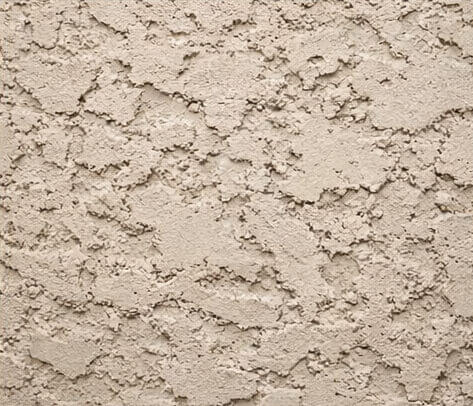







Stucco is one of the most popular exterior finishes in Tucson, but not all stucco textures perform the same way.
The texture you choose affects far more than curb appeal; it can influence how well your home’s exterior hides imperfections, resists cracking, handles Arizona’s intense sun, and ages over time. A finish that works beautifully on one home may be difficult to maintain or repair on another.
From smooth contemporary surfaces to traditional Southwestern textures such as Spanish Lace and Dash, each finish offers unique advantages, limitations, and visual character. Understanding those differences is essential before making a long-term investment in your home’s exterior.
In this stucco texture guide, we’ll compare eight of the most common stucco finish textures found throughout Tucson, explain how local climate conditions affect their performance, and help you determine which option best fits your home’s style, maintenance goals, and budget.
At Sunset Coatings Stucco & Paint, we’ve been providing high-quality stucco installation services for over 15 years and have plenty of hands-on experience working with all the different types of stucco textures commonly found on Southwest Arizona homes.
Common Types of Stucco Finish Textures for Tucson Homes
Smooth Stucco Finishes
Smooth stucco is characterized by its sleek, uniform appearance and minimal surface texture, making it a popular choice for contemporary, modern, and high-end custom homes.
Unlike heavily textured finishes, smooth stucco creates clean lines and a refined aesthetic that highlights architectural details rather than concealing them. Because imperfections are highly visible, achieving a quality smooth finish requires meticulous substrate preparation and skilled application.
One consideration with smooth stucco is maintenance. Hairline cracks, minor surface movement, and repairs tend to be more noticeable than on textured finishes. Tucson’s intense sun exposure and seasonal temperature fluctuations can also make minor cracking more apparent over time.
While repairs are possible, blending patched areas seamlessly into an existing smooth surface often requires extensive stucco refinishing.
As a result, smooth stucco is typically among the more labor-intensive and expensive finish options, both during installation and when future stucco repairs are needed.
Sand Finish Stucco
Sand Finish stucco, sometimes called Sand Float stucco, features a fine-to-medium granular texture created by exposing sand aggregate at the surface. The finish can range from subtle and refined to more pronounced, depending on the aggregate size and application technique.
Its understated texture makes it one of the most versatile stucco finishes, complementing everything from traditional Southwestern homes to contemporary residential designs.
A major advantage of Sand Finish stucco is its ability to conceal minor surface imperfections while maintaining a clean, uniform appearance. The texture also tends to hide dust accumulation, making it particularly practical in Tucson’s desert environment.
Maintenance is generally straightforward, and small repairs often blend more successfully than with smooth finishes. Cost typically falls within the mid-range of stucco finishes, providing an attractive balance between appearance, durability, and long-term serviceability.
Santa Barbara Stucco Finish
Santa Barbara stucco is known for its soft, elegant appearance that combines the sophistication of a smooth finish with subtle handcrafted character. The surface typically features gentle movement and faint texture created by fine aggregates and specialized troweling techniques.
This finish is commonly associated with Spanish Colonial, Mediterranean, and Pueblo-inspired architecture, where it contributes to a warm, timeless appearance.
Because the finish relies on skilled craftsmanship rather than heavy texture, installation costs are often higher than standard stucco textures. Repairs can also be challenging, as matching the original hand-applied appearance requires significant experience.
However, many homeowners consider the investment worthwhile due to the finish’s upscale aesthetic and ability to enhance architectural authenticity. Regular inspections and prompt stucco crack repair help preserve its refined appearance and prevent moisture intrusion.
Cat Face Stucco Texture
Cat Face stucco is distinguished by its combination of relatively smooth wall surfaces interrupted by irregular patches of exposed aggregate and texture. These textured “islands” create visual contrast and depth, producing a finish that feels handcrafted and highly distinctive.
The size, density, and distribution of these inclusions can vary considerably, allowing for a customized appearance that ranges from subtle to highly dramatic.
This finish works particularly well on Southwestern, Mediterranean, and custom residential architecture where visual character is a priority.
However, repairs can be more complex than with many other textures because matching the size, placement, and pattern of the aggregate patches requires a skilled installer. Material costs are generally moderate, but labor costs may increase due to the detailed finishing process.
When properly maintained, Cat Face stucco provides a durable and visually unique exterior surface.
Spanish Lace Stucco Finish
Spanish Lace is one of the most common stucco finishes found throughout Arizona and the Southwest. It features a layered texture consisting of raised patterns and subtle depressions that create depth, shadow lines, and visual interest across the wall surface.
The texture can be applied in varying degrees of heaviness, allowing homeowners to achieve either a more refined appearance or a bolder, more rustic look.
One reason Spanish Lace remains so popular is its practicality. The textured surface conceals minor cracking, repairs, and substrate imperfections exceptionally well.
It also performs effectively in harsh desert climates, where intense sunlight and seasonal expansion and contraction can affect exterior surfaces. Maintenance requirements are relatively low, and repairs tend to blend more successfully than many smoother finishes.
Combined with its moderate cost and long-term durability, Spanish Lace offers an excellent balance of aesthetics and performance.
Dash Stucco Texture Finish
Dash stucco creates a highly textured surface by spraying stucco material onto the wall, resulting in a rugged appearance that can range from light and subtle to heavy and dramatic.
Depending on the application method and aggregate selection, the finish may resemble roughcast, pebble dash, or knockdown textures. Its pronounced texture provides strong visual character and is often used on homes seeking a more rustic or traditional Southwestern aesthetic.
The rough surface excels at hiding imperfections, previous repairs, and minor cracking. It also provides excellent durability in areas exposed to intense sun, wind, and blowing dust. Because the application process is generally faster than many hand-troweled finishes, installation costs can be relatively economical.
However, the deeper texture may collect more dust and debris over time, occasionally requiring light pressure washing or professional cleaning to maintain its appearance.
Lace and Skip Trowel Finish
Lace and Skip Trowel stucco features a decorative texture created by applying stucco and then partially smoothing or “skipping” sections with a trowel. The result is a dynamic surface with raised patterns, subtle movement, and natural variation that adds visual interest without appearing overly aggressive.
This finish has remained popular for decades because it complements a wide range of architectural styles and exterior color schemes.
Beyond its appearance, Lace and Skip offers practical advantages for homeowners. The texture effectively disguises minor substrate irregularities, weather-related movement, and future repairs. Maintenance is generally uncomplicated, and touch-ups often blend better than they do with smoother finishes.
Installation costs typically fall within the moderate range, making it a cost-effective option for homeowners seeking a balance between visual appeal, durability, and ease of maintenance.
Worm (Swirl) Stucco Finish
Worm stucco, also known as swirl or putz finish, is created by dragging large aggregate particles through freshly applied stucco to form distinctive grooves, swirls, and organic patterns. The resulting texture produces a handcrafted appearance with significant depth and movement, ensuring that no two installations look exactly alike.
This finish is less common than Spanish Lace or Sand Finish but remains popular among homeowners seeking a more artistic and customized exterior.
The deep grooves help disguise minor cracking and weathering, contributing to long-term visual durability. However, the pronounced texture can collect dust more readily than smoother finishes, making periodic cleaning beneficial in desert environments.
Installation requires experienced craftsmanship to achieve consistent patterns, which can increase labor costs. For homeowners seeking a distinctive finish with strong visual character, Worm stucco offers a unique alternative to more conventional textures.
Stucco Texture Guide: Comparison Table
| Texture Type | Appearance | Durability | Best For |
|---|---|---|---|
| Smooth | Clean, polished | Moderate | Contemporary and modern designs |
| Sand (Float) | Sandy, uniform | High | Residential homes and versatile styles |
| Santa Barbara | Soft, mottled | Moderate | Pueblo, Mediterranean, and Spanish Revival homes |
| Cat Face | Smooth with rough patches | Moderate | Unique architectural profiles |
| Spanish Lace | Layered, intricate | High | Mediterranean and southwestern homes |
| Dash | Rough, heavy | Very High | Rustic and high-durability applications |
| Lace and Skip | Dynamic, hand-applied | High | Versatile applications and remodels |
| Worm (Swirl) | Grooved, irregular | Moderate | Distinctive visual statements |
Choosing From the Different Stucco Texture Types
How Tucson’s Climate Affects Your Stucco Texture Choice
Tucson’s desert environment presents specific conditions that influence how stucco textures perform over time. Intense UV exposure, daily temperature swings of 30°F or more, and monsoon-season moisture all affect durability, whether you have traditional stucco or synthetic stucco.
Heavily textured surfaces like Dash and Lace and Skip tend to manage thermal expansion and contraction more effectively, while Smooth finishes are more prone to showing stress cracks in extreme heat.
If your home faces prolonged direct sun exposure, a texture with more depth, such as Spanish Lace or Dash, can create natural shadow lines that reduce surface temperature and slow UV degradation. In monsoon-prone areas, coarser textures can also shed water more effectively than flat, smooth surfaces.
Tips for Choosing Your Stucco Texture
Stucco types such as Dash and Lace and Skip hide imperfections effectively and are easily repaired. Santa Barbara, Sand, and Spanish Lace also stand out for their unique appearances and the ability to resist cracking.
When selecting a texture, consider:
- Architectural style: Mediterranean and Spanish Revival homes pair naturally with Santa Barbara and Lace textures, while contemporary builds suit Smooth or Sand finishes.
- Maintenance expectations: Heavily textured surfaces hide minor wear better, but they can trap dust and require more thorough cleaning.
- Substrate condition: If the existing wall surface has minor irregularities, textured finishes such as Cat Face, Lace and Skip, or Dash are more forgiving than smooth finishes.
- Repair ease: Sand Finish and Dash are the simplest to patch, while Cat Face and smooth require more skill to blend seamlessly.
- Budget: Dash and Sand finishes tend to be more affordable to apply, while labor-intensive textures such as Worm, Cat Face, and Santa Barbara carry higher installation costs.
The Best Stucco Finish Balances Appearance, Performance, and Longevity
The best stucco texture is the one that aligns with your home’s architecture, your maintenance expectations, and the realities of Tucson’s desert climate.
While appearance often drives the initial decision, factors such as repairability, crack resistance, dust visibility, and long-term durability can have a much greater impact on your satisfaction years down the road.
Taking the time to evaluate how a finish will perform, not just how it will look, can help you make an investment decision that enhances both curb appeal and lasting property value.
Partner With Tucson’s Stucco Texture Specialists
Selecting a stucco texture is only the first step. Proper surface preparation, material selection, and application techniques all determine how well a finish withstands Southern Arizona’s intense UV exposure, temperature fluctuations, and seasonal monsoon storms.
At Sunset Coatings Stucco & Paint, we have more than 15 years of experience with stucco installation, stucco repair, stucco refinishing, and stucco restoration throughout the Tucson area.
Whether you’re drawn to the clean lines of Smooth stucco, the timeless appeal of Spanish Lace, or the durability of Dash and Sand Finish textures, our team can help you choose a finish that complements your home’s style and performs well for years to come.
Frequently Asked Questions About Stucco Textures
Which stucco texture is most durable in Arizona’s heat?
Dash and Lace and Skip finishes are among the most durable options for Arizona’s climate. Their heavier texture helps distribute thermal stress and resist hairline cracking caused by daily temperature swings. They are also among the easiest textures to patch when repairs are needed.
Can I change the texture on my existing stucco?
Yes. Updating your stucco texture involves cleaning and repairing the current surface, applying a bonding agent so the new layer adheres properly, and then applying a fresh finish coat in your desired texture. Proper curing time, which is typically several days, is essential before painting or sealing the new surface.
How do stucco textures affect home resale value?
Stucco textures that are well-maintained and complement a home’s architectural style can boost curb appeal and resale value. Classic, versatile textures such as Sand Finish and Spanish Lace tend to appeal to the broadest range of buyers, while more distinctive textures like Worm or Cat Face add character that may attract buyers looking for a unique exterior.
What’s the difference between lace and skip trowel?
While often grouped together, Lace and Skip are technically two different application methods. Lace stucco involves layered passes that create an intricate, semi-smooth pattern with subtle depth. Skip trowel is created by lightly dragging a curved trowel across the surface so portions “skip” and leave raised patterns. Both produce dynamic, hand-applied looks, but skip trowel tends to have more pronounced texture variation.